A Compassionate, Practical Guide to Safe, Comfortable Cleaning
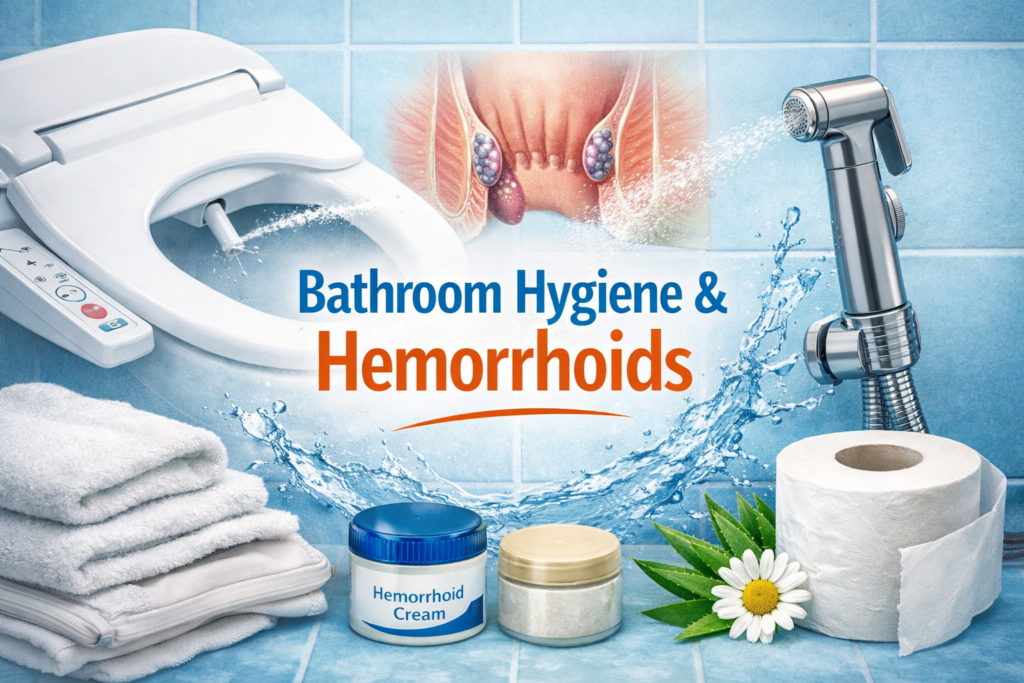
Hemorrhoids — swollen blood vessels in and around the anus — are extremely common. For many people, they cause symptoms like itching, burning, irritation, pain, and bleeding during or after bowel movements. Everyday bathroom routines can make a big difference in comfort and healing. One factor that’s increasingly discussed is how bathroom hygiene devices — such as bidets and handheld sprayers — affect people with hemorrhoids.
This guide explains why post-toilet cleaning matters, how different devices work, and how to use them in a sensitive, symptom-friendly way. Whether you’re newly managing hemorrhoids or looking for better ways to care for yourself long-term, this article offers research-based insights, practical tips, and answers to common questions.
Why Cleaning Matters When You Have Hemorrhoids
Proper anal hygiene is more than personal preference — it can directly influence irritation and recovery when you have hemorrhoids.
Hemorrhoids are inflamed cushions of tissue that can be easily irritated by:
- Hard or large stools
- Frequent wiping with dry or rough tissue
- Friction from repetitive motion
- Chemicals or fragrances in wipes or soaps
Unlike everyday cleaning, when you have hemorrhoids the goal is gentle cleansing with minimal friction and irritation.
How Bathroom Hygiene Affects Hemorrhoid Symptoms
Here’s how post-toilet cleaning habits can impact the delicate skin around the anus:
- Excess friction (from wiping too hard or too much) can worsen irritation.
- Harsh chemicals (in scented wipes or soaps) may inflame sensitive tissues.
- Incomplete cleaning can leave residues that prolong itching or discomfort.
- Moisture balance is important — too dry can irritate, too wet can macerate skin.
This is where bathroom hygiene devices such as bidets and handheld sprayers come in.
What Are Bathroom Hygiene Devices?
Bathroom hygiene devices for personal cleansing fall into a few main categories:
Bidets (Built-in or Attachments)
A bidet is a fixture or device that uses a gentle stream of water to cleanse the genitals and anal area after using the toilet. There are various styles:
- Standalone bidets (traditional fixtures)
- Toilet seat bidet attachments
- Electronic bidet seats with adjustable water flow and temperature
Handheld Sprayers
Also called a “shower spray” or “health faucet,” this is a flexible hose and nozzle used to direct a stream of water where needed. Handheld sprayers offer:
- Manual control over angle and pressure
- Flexibility for customized cleansing
Flushable/Reusable Bidet Wipes
These are wet wipes designed to dissolve after flushing. They vary widely in texture, ingredients, and environmental safety. (Note: not all are truly flushable, and some can irritate if scented or rough.)
How Bidets and Sprayers Affect Hemorrhoids
Let’s break down how these devices can help — and what to watch out for.
👍 Benefits of Water-Based Cleaning for Hemorrhoids
1. Gentle, Effective Cleaning Without Rubbing
A soft stream of water can remove stool and residue without friction, which means less irritation and pain than wiping with dry toilet paper.
2. Reduced Need for Harsh Wiping
People with hemorrhoids often experience a reflex to wipe excessively, which can worsen symptoms. Water cleaning minimizes the need for wiping.
3. More Comfortable for External Hemorrhoids
External hemorrhoids — especially when inflamed or thrombosed (clotted) — can be extremely tender. Water helps clean the area with minimal contact.
4. Improved Hygiene for People With Limited Mobility
For older adults, people with arthritis, or anyone with mobility restrictions, bidets and sprayers can make cleaning easier and more dignified.
5. Adjustable Water Pressure and Temperature
Modern bidets allow you to tailor water flow and warmth, which can soothe sensitive tissue and prevent shock from cold water.
⚠️ Things to Use With Caution
While water cleaning is beneficial, some aspects require care:
Too Much Water Pressure
High pressure can feel harsh or stimulate sensitive tissue. Always start with a low setting.
Spraying Too Frequently
While gentle, overuse can keep the area excessively moist, disrupting skin integrity.
Using Harsh Soaps or Fragrances
Adding soap or scented products to the water stream may cause irritation. Water alone is usually enough.
Incorrect Direction or Position
Incorrect aim or standing too close/far can cause discomfort or waste water.
How to Use a Bidet or Sprayer When You Have Hemorrhoids: Step-by-Step
🪠 1. Start With Comfortable Water Temperature
Warm water feels soothing and relaxing. Avoid very cold or very hot water.
💦 2. Begin With Low Water Pressure
Start low and increase only if needed. High pressure can be too intense for inflamed tissue.
🧍 Position Yourself Comfortably
Whether you’re using a bidet seat or handheld sprayer, adjust your position so the water stream reaches the area without stretching or straining.
✋ Pat Dry Gently
After rinsing:
- Use a soft, clean towel or toilet tissue
- Pat — don’t rub
- Consider using a soft cloth reserved just for this purpose
🩹 Apply Soothing Care (If Needed)
If your healthcare provider recommends it, you may apply:
- A thin layer of barrier ointment or medicated cream
- Sitz baths or warm soaks to relax the area
Always follow medical advice for medicated products.
Practical Tips for Using Bathroom Devices With Hemorrhoids
Here are easy, actionable tips to make your routine safer and more comfortable:
Daily Care Tips
- 🚿 Use only plain warm water — skip soap and fragrances when possible.
- 📏 Keep water pressure gentle — comfort over force.
- 🧴 Avoid wipes with alcohol or scents.
- 🪥 Pat dry gently — avoid vigorous rubbing.
- 🚽 Don’t strain on the toilet — consider a footstool to help position your hips.
Device-Specific Tips
For Bidets
- Start with the lowest pressure setting.
- Use posterior wash rather than feminine wash (the angle is better).
- Test temperature with your hand before using.
- If your bidet has a drying feature, use it on cool/low setting.
For Handheld Sprayers
- Aim at the center of the area then adjust angle as needed.
- Keep hands clean before and after handling the sprayer.
- Consider keeping a soft cloth nearby for gentle patting.
For Wipes (If Used)
- Choose unscented, alcohol-free, soft wipes.
- Use wipes only as a backup to water cleansing.
- Never scrub — just gently dab.
Common Concerns and How to Address Them
“Will using water make my hemorrhoids worse?”
Not usually. Gentle water cleansing tends to reduce irritation when compared to wiping. However, overly strong pressure or harsh soaps can bother sensitive tissue — so moderation and plain warm water are key.
“Can I use bidets if I have internal hemorrhoids?”
Yes — gently rinsing with water is usually soothing for internal hemorrhoids too. Just avoid high-pressure streamsdirectly on inflamed areas.
“Is drying necessary after using water?”
Yes. Leaving the area too moist can irritate tissue and promote yeast or bacterial growth. Pat dry with a soft towel.
When NOT to Use Bidets or Sprayers (or to Use With Medical Guidance)
Most people with hemorrhoids benefit from gentle water cleansing, but there are situations where caution is warranted:
- Severe pain or bleeding
- Open sores or broken skin
- Active infections (e.g., abscess, severe itching with rash)
- Recent surgery in the area
If any of these apply, check with a healthcare provider before using water cleaning devices.
Integrating Water Cleansing Into a Full Hemorrhoid Care Routine
Bathroom hygiene is just one piece of a larger self-care picture. Here’s how water cleansing fits in with other helpful strategies:
Diet and Bowel Habits
- Eat plenty of fiber (fruits, vegetables, whole grains)
- Stay hydrated
- Avoid long sitting or straining on the toilet
Sitz Baths and Soaks
Warm sitz baths — sitting in a few inches of warm water — can relax anal muscles, improve circulation, and reduce discomfort.
Gentle Barrier Products
If recommended by your clinician, thin layers of protective ointments or medicated creams can protect irritated skin.
Physical Activity
Light activity (walking, stretching) helps regulate bowel movements and blood flow — which can reduce hemorrhoid flare-ups.
FAQs About Hemorrhoids and Bathroom Hygiene Devices
Q: Should I use water only or add soap?
A: Plain warm water is best. Soaps (especially fragranced or antibacterial ones) can dry and irritate sensitive skin.
Q: Can bidets replace toilet paper entirely?
A: Many people find bidets reduce or eliminate the need for toilet paper. If you do use tissue afterward, pat gently.
Q: Is cold water okay?
A: Cold water may be uncomfortable and could tighten tissue. Warm water feels soothing and relaxing.
Q: How often should I use a bidet if I have hemorrhoids?
A: Use it after bowel movements and as needed for comfort. Overuse with excessive water can keep the area too wet.
Q: Can hygiene devices cure hemorrhoids?
A: No — they help manage symptoms and reduce irritation, but they are supportive care, not a cure. Long-term relief often involves diet, bowel habits, and, in some cases, medical treatment.
Final Thoughts
Living with hemorrhoids can be uncomfortable and frustrating — but small changes to your bathroom hygiene routine can bring meaningful relief. When used thoughtfully, bidets and handheld sprayers can:
- Reduce irritation and friction
- Improve cleanliness
- Make daily care more comfortable
The key is gentle, balanced cleansing with attention to your body’s signals.
If your symptoms are persistent, severe, or accompanied by heavy bleeding or significant pain, consult a healthcare provider for individualized care. Every person’s body is unique, and proper medical guidance can help you feel your best.