Internal vs. External Hemorrhoids: Understanding the Differences
As a proctologist, I frequently help patients understand the difference between internal and external hemorrhoids. While both types can cause discomfort, knowing which type you have helps determine the best treatment approach.
What Are Hemorrhoids?
Hemorrhoids are swollen blood vessels in and around the anus and lower rectum. Think of them like varicose veins, but in your anal area. They’re actually a normal part of our anatomy, but they only become a problem when they swell and cause symptoms.
Internal Hemorrhoids
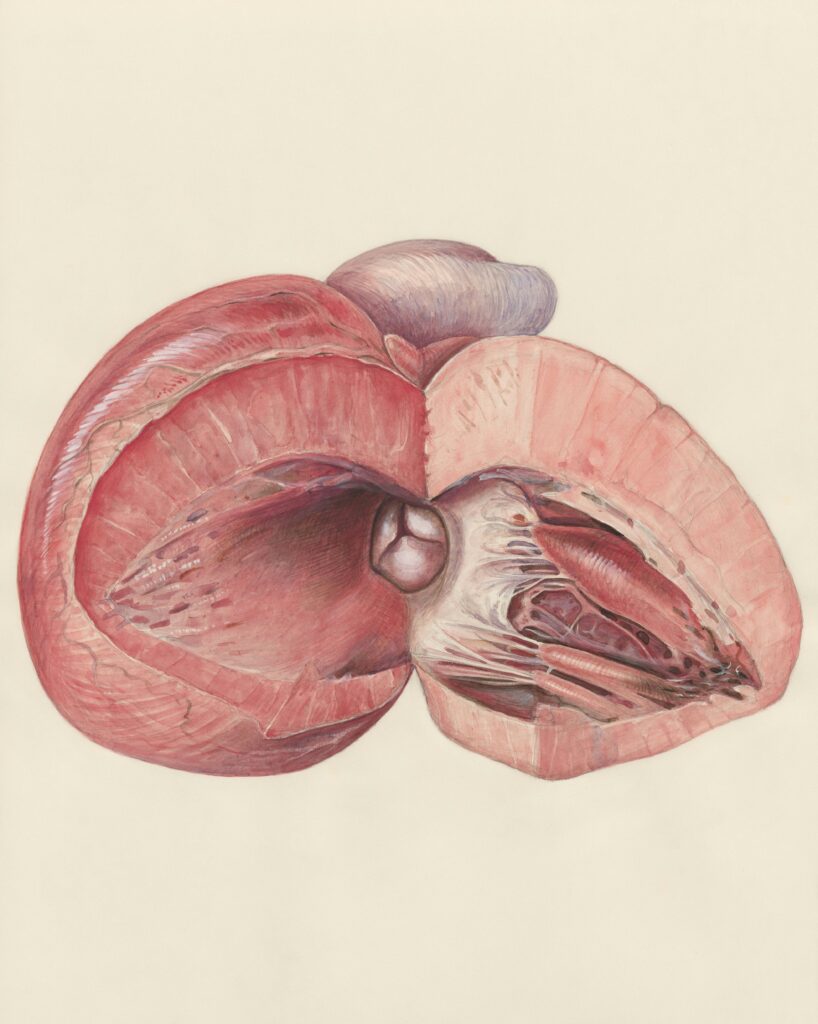
Internal hemorrhoids develop inside the rectum where you typically can’t see or feel them. They’re covered by a type of tissue that has few pain-sensing nerves.
- Usually painless
- May cause bright red bleeding during bowel movements
- Can prolapse (push outside) during straining
- Graded on a scale of I to IV based on severity
External Hemorrhoids
External hemorrhoids form under the skin around the anus in an area with many nerve endings.
- Often painful or itchy
- Visible as lumps around the anus
- Can develop blood clots (thrombosis)
- May cause difficulty cleaning the area
Comparison Table
| Feature | Internal Hemorrhoids | External Hemorrhoids |
|---|---|---|
| Location | Inside the rectum | Around the anus |
| Pain Level | Usually painless | Often painful |
| Main Symptoms | Bleeding, prolapse | Pain, itching, lumps |
| Visibility | Not visible unless prolapsed | Visible from outside |
Common Causes for Both Types
- Straining during bowel movements
- Chronic constipation or diarrhea
- Pregnancy and childbirth
- Sitting for long periods
- Obesity
- Heavy lifting
When to See a Doctor
Contact your healthcare provider if you experience:
- Bleeding during bowel movements
- Severe pain or discomfort
- A lump that’s very painful or getting bigger
- Hemorrhoid symptoms that don’t improve after a week of home treatment
- Any rectal bleeding – while likely from hemorrhoids, other serious conditions should be ruled out
Prevention Tips
- Eat a high-fiber diet
- Stay hydrated
- Exercise regularly
- Don’t strain during bowel movements
- Don’t sit on the toilet for long periods
- Go when you feel the urge
Remember, hemorrhoids are extremely common and nothing to be embarrassed about. With proper care and treatment, most hemorrhoid problems can be managed effectively. If you’re unsure about which type you have or if symptoms persist, it’s always better to get checked by a healthcare professional.